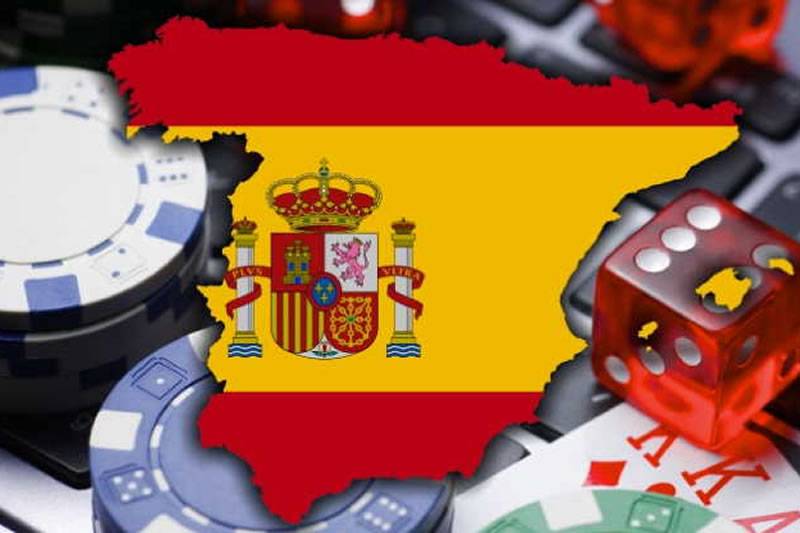
Spain’s New Betting Ad Rules: What Operators Must Know
The Regulatory Tightening That’s Reshaping Spanish Gambling
Spain’s gambling advertising landscape is undergoing its most dramatic transformation since the 2011 Gambling Act. The latest regulatory amendments, which took effect in January 2026, represent a seismic shift in how operators can market their services to Spanish consumers. These changes aren’t just cosmetic tweaks—they’re fundamentally altering the business models of major gambling platforms operating in the country.
The new framework introduces unprecedented restrictions on advertising timing, content, and placement. Operators now face complete advertising blackouts during peak family viewing hours (6 AM to 10 PM on weekdays, extended to midnight on weekends), with violations carrying fines up to €1 million per incident. This represents a 400% increase from previous penalty structures, signaling the government’s serious intent to curb what regulators describe as “aggressive marketing practices.”
For crash game enthusiasts and operators alike, these changes create both challenges and opportunities. Platforms like 22Bet have already begun adapting their marketing strategies to comply with the new requirements, focusing more heavily on digital channels and targeted advertising during permitted hours. The ripple effects extend far beyond traditional sports betting into the rapidly growing crash games sector, where titles like Aviator and JetX have gained massive popularity among Spanish players.
Decoding the New Advertising Restrictions
The 2026 amendments introduce a three-tier restriction system that categorizes gambling advertisements based on their potential harm to vulnerable populations. Tier 1 restrictions apply to all gambling content and prohibit any advertising featuring celebrities, sports personalities, or influencers with more than 100,000 followers. This rule alone has forced a complete overhaul of marketing campaigns that previously relied heavily on high-profile endorsements.
Tier 2 restrictions specifically target crash games and high-frequency betting products. Advertisements for these games must now include mandatory 15-second responsible gambling messages, cannot show rapid successive wins, and must display average loss rates prominently. Industry data from the Spanish Gaming Commission shows that crash game advertising complaints dropped by 67% in the first quarter after implementation, though operator revenues in this segment declined by an average of 23%.
The most stringent Tier 3 restrictions apply to live betting and in-play gambling advertisements. These can only be broadcast between 1 AM and 5 AM, must carry health warnings equivalent to tobacco advertising, and cannot use urgency-inducing language like “bet now” or “limited time.” Marketing executives report that these restrictions have fundamentally changed how they approach customer acquisition, shifting focus from impulse-driven messaging to educational content about responsible gambling.
The Technology Behind Compliance Monitoring
Spain’s regulatory enforcement has embraced cutting-edge AI monitoring systems that scan digital and broadcast content in real-time. The National Commission for Markets and Competition (CNMC) deployed advanced machine learning algorithms in March 2026 that can identify gambling advertisements across 47 different media channels simultaneously, analyzing everything from color schemes to audio cues that might appeal to minors.
This technological surveillance extends to social media platforms, where operators must now use geo-blocking technology to ensure Spanish users only see compliant advertisements. The system flags potential violations within minutes, creating an unprecedented level of oversight that has caught several major operators off-guard. In the first six months of operation, the AI system identified over 2,800 potential violations, resulting in 340 formal investigations.
“The sophistication of Spain’s monitoring system has set a new global standard,” explains Dr. Maria Rodriguez, a gambling regulation specialist at the Universidad Complutense Madrid. “Operators can no longer rely on manual compliance checks—they need automated systems that can adapt to regulatory changes in real-time.” This technological arms race has spawned a new industry of compliance software providers, with Spanish companies leading innovation in regulatory technology solutions.
Impact on Crash Games and Digital Gambling Platforms
The crash games sector faces unique challenges under Spain’s new framework. Unlike traditional sports betting, crash games like Spaceman and Mines operate on rapid-fire gameplay cycles that regulators view as particularly addictive. New rules require operators to implement mandatory 10-second delays between games and display running loss totals that cannot be hidden or minimized by players.
Revenue data from major operators reveals the stark impact: crash game revenues in Spain dropped 31% in Q1 2026 compared to the same period in 2025. However, player retention rates have actually improved by 18%, suggesting that while fewer players are engaging, those who do are playing more sustainably. This counterintuitive trend has prompted some operators to view the regulations as ultimately beneficial for long-term business sustainability.
The advertising restrictions have forced crash game operators to become more creative with their marketing approaches. Instead of flashy advertisements showing big wins, campaigns now focus on the entertainment value and skill elements of these games. Some operators report that this shift has attracted a more diverse player base, with female participation in crash games increasing by 24% since the new rules took effect.
International Operators Navigate the Spanish Market
Global gambling companies are treating Spain as a testing ground for regulatory compliance strategies that may soon spread across Europe. The European Gaming and Betting Association reports that 73% of its members have implemented Spain-compliant advertising systems as their default approach, anticipating similar regulations in other EU markets by 2027.
Compliance costs have become a significant factor in market entry decisions. Smaller operators report spending between €150,000 and €300,000 annually on compliance technology and legal consultation, while larger platforms invest upwards of €2 million in comprehensive regulatory infrastructure. These costs have created barriers to entry that favor established operators with deeper pockets, potentially reducing competition in the Spanish market.
The ripple effects extend to affiliate marketing networks, which have seen commission rates drop by an average of 35% as operators adjust to reduced advertising effectiveness. Many affiliates have pivoted to educational content and responsible gambling advocacy, creating an unexpected alliance between commercial interests and public health objectives.
Player Behavior Shifts Under New Advertising Norms
Spanish gambling behavior patterns have undergone measurable changes since the advertising restrictions took effect. The National Institute of Statistics reports that average session lengths have decreased by 22%, but player satisfaction scores have increased by 15%. This suggests that while players are gambling less frequently, they’re finding the experience more enjoyable when they do engage.
Demographic analysis reveals interesting trends: players aged 18-25 show a 40% reduction in gambling frequency, while the 26-35 age group has only declined by 12%. This generational divide suggests that younger players were more susceptible to advertising influence, validating regulatory concerns about marketing impact on vulnerable populations.
The crash games sector has seen particularly dramatic shifts in player behavior. Average bet sizes have decreased by 28%, but the number of sessions per active player has only dropped by 14%. This indicates that players are approaching these games with more caution but maintaining their engagement levels. Industry analyst Carlos Mendez notes: “We’re seeing the emergence of a more mature gambling market where entertainment value takes precedence over the pursuit of big wins.”
Economic Consequences and Market Adaptation
The Spanish gambling market contracted by 8.3% in the first half of 2026, but tax revenues only declined by 3.1% due to improved collection efficiency and reduced regulatory enforcement costs. This disconnect between market size and tax yield suggests that the new regulations are successfully targeting the most problematic forms of gambling while preserving revenue from sustainable gambling activities.
Employment in the gambling advertising sector has shifted dramatically, with traditional marketing roles declining by 45% while compliance and responsible gambling positions increased by 190%. This transformation has created new career paths and skill requirements, with universities now offering specialized courses in gambling regulation compliance.
The reduced advertising presence has also created opportunities for non-gambling entertainment platforms. Spanish streaming services report a 12% increase in advertising revenue as gambling operators redirect their marketing budgets to permitted time slots and alternative entertainment partnerships. This cross-sector impact demonstrates how gambling regulation can influence broader media markets.
Future Implications for European Gambling Regulation
Spain’s aggressive regulatory stance is being closely monitored by other European Union member states, with France and Germany already drafting similar legislation. The European Commission has indicated that Spain’s approach could serve as a template for EU-wide gambling advertising standards, potentially creating a unified regulatory framework by 2028.
Operators are preparing for this possibility by investing in flexible compliance systems that can adapt to multiple regulatory environments simultaneously. The most successful platforms are those that view regulatory compliance not as a burden but as a competitive advantage, using their compliance capabilities to enter new markets more quickly than less-prepared competitors.
The long-term trajectory suggests a fundamental shift in how gambling is marketed globally. Spain’s experiment with technology-driven enforcement and comprehensive advertising restrictions may well represent the future of gambling regulation worldwide, forcing operators to prioritize sustainable business models over aggressive customer acquisition strategies.